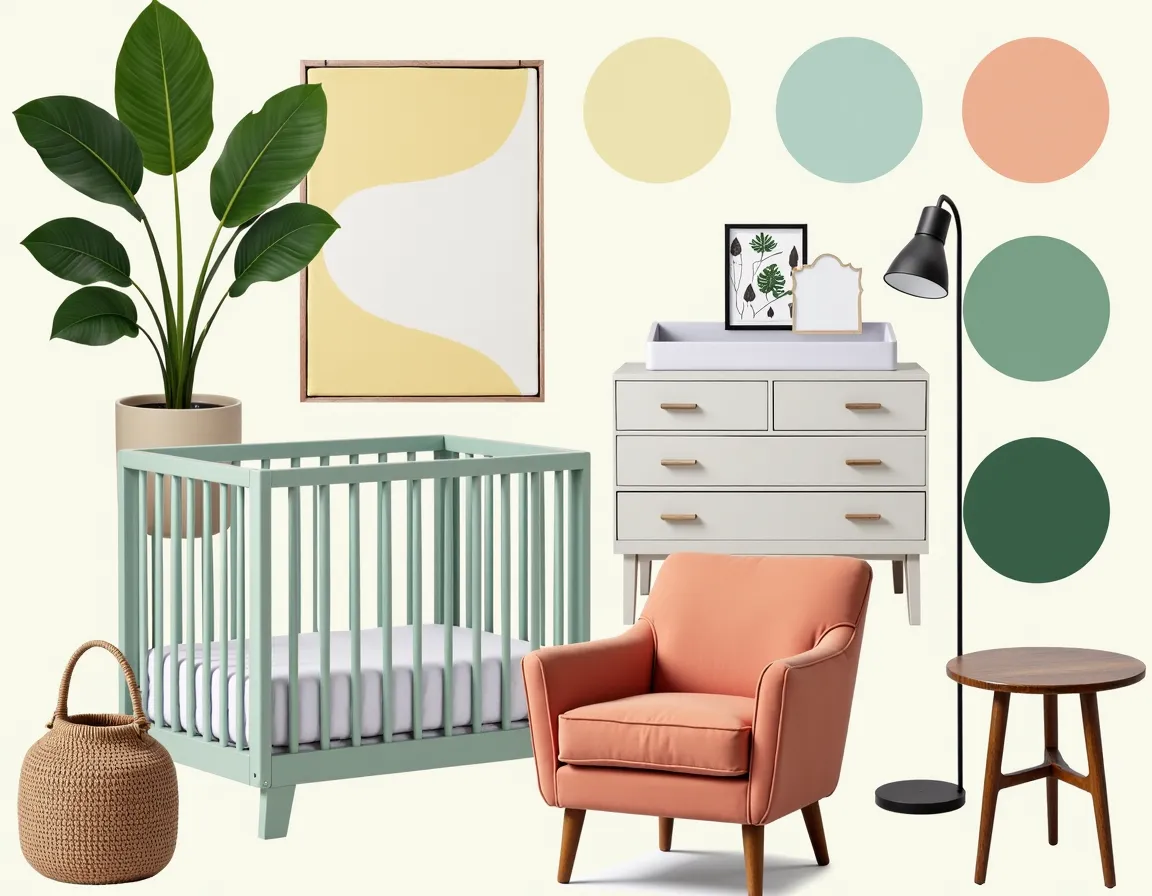
Dining Room Mood Board Ideas: Create the Perfect Ambiance with AI
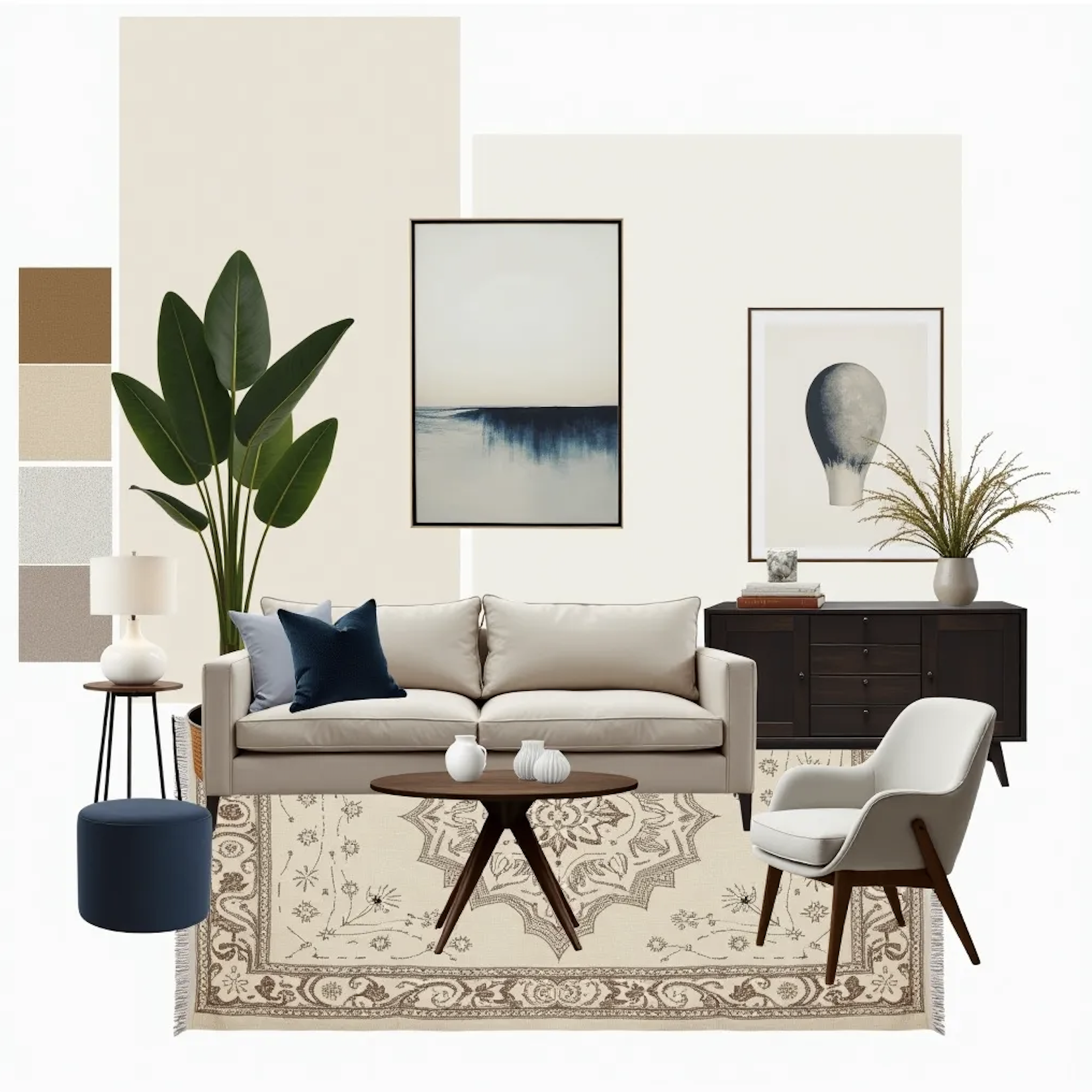
Dining Room Mood Board Ideas: Create the Perfect Ambiance with AI
A dining room is one of the easiest spaces to get almost right and still feel underwhelming. The table fits, the chairs match, the light fixture looks nice, but the room does not feel warm, memorable, or cohesive. That is why a dining room mood board is useful. It lets you test color, furniture character, lighting, and decor as one composition before you start buying pieces that do not quite belong together.
AI makes that process much faster. Instead of saving random images and trying to connect them later, you can compare complete room directions and see what your space actually responds to. That is where dining room mood board ideas become practical, not just inspirational.
Why use a mood board for a dining room?
Dining rooms depend heavily on atmosphere. They have to work for quick weekday meals, slower weekend dinners, and guests. That means the emotional tone of the room matters as much as the furniture. A board helps you judge whether the room wants warmth, more contrast, softer materials, or a simpler layout before you spend money.
A strong dining room mood board inspiration set also stops scattered decisions. You can tell quickly whether a bold pendant, darker wood, or textured rug improves the room or just adds noise. Seeing those pieces together is far more useful than shopping one item at a time.
Which color palettes work well?
Warm tones
Warm palettes are ideal when a dining room feels cold or too formal. Think walnut, terracotta, caramel, cream, and muted rust. These shades make the room feel more inviting and work especially well in spaces that get less daylight. Warmth does not have to mean heavy. If the walls stay light, you can introduce warmth through wood finishes, upholstery, art, or a softer rug.
Neutrals
Neutrals are a good choice when you want calm and flexibility. Linen white, taupe, mushroom, light oak, and soft gray create a clean foundation that can shift with seasonal decor or table styling. This direction works especially well when the dining room connects to the kitchen or living room and you want the whole home to feel consistent.
Bold accents
If the room feels forgettable, bold accents can create focus. Deep green, navy, oxblood, matte black, or a strong patterned textile can add personality without overwhelming the room. The key is using one or two confident elements rather than trying to make every surface dramatic. AI helps you see whether the result feels elegant or simply too dark.
What style ideas should you test?
Modern
Modern dining rooms usually rely on clean silhouettes, sculptural lighting, and controlled contrast. A modern mood board might include a simple table shape, upholstered dining chairs, a bold pendant, and one strong art piece. This approach works best when the materials carry the look so the styling can stay restrained.
Farmhouse
Farmhouse boards are popular because they feel warm and familiar. Natural wood, layered texture, vintage-inspired lighting, and relaxed fabrics all work well here. The best farmhouse rooms stay edited. One characterful table or aged finish usually looks stronger than trying to make every item rustic.
Minimalist
Minimalist dining rooms succeed when they still feel human. Pale wood, quiet textures, soft neutrals, and subtle metal accents can create a room that feels calm rather than empty. This style depends on proportion and finish quality more than decoration, which makes it a good direction to test with AI before you buy anything major.
How do lighting and texture affect the room?
Lighting often decides whether a dining room feels welcoming or stiff. A good pendant can anchor the table, but most rooms also benefit from softer supporting light through candles, nearby lamps, or reflective surfaces that keep evening meals from feeling harsh. Dining rooms are used at night, so warm light matters more here than in many other spaces.
Texture keeps the room from feeling flat. Upholstered seats, linen runners, wood grain, woven shades, plaster-like walls, or a textured rug all add depth without making the room busy. Many dining rooms improve less from more decor and more from a better balance between hard and soft surfaces.
How can you create a dining room mood board with AI?
Start with the room problem. Maybe the space feels too formal, too plain, too dark, or disconnected from the rest of the house. Then write prompts that combine that problem with one clear direction. For example: "Create a warm modern dining room with walnut wood, soft neutral walls, a sculptural pendant, and comfortable upholstered chairs." Compare that with a farmhouse version and a minimalist version instead of generating endless unrelated ideas.
Look for repeated patterns in the strongest outputs. If every good result uses warmer wood, softer textiles, and lower contrast, that is useful information. If the room always improves when you add one darker focal element, that matters too. When you want to move from inspiration into room-specific testing, try myroomdesigner.ai/interior-design-ai/dining-room.
Frequently asked questions
What should a dining room mood board include?
A dining room mood board should include color palette, table and chair direction, lighting ideas, textures, decor references, and the overall mood you want the room to create.
Which colors are best for a dining room mood board?
Warm neutrals, wood tones, terracotta accents, soft creams, deep greens, and muted charcoals are all strong options depending on whether you want the room to feel calm, intimate, or dramatic.
Can AI help me create dining room mood board ideas?
Yes. AI helps you compare full-room directions quickly so you can judge color, furniture style, and atmosphere together instead of making disconnected design decisions.
What dining room styles work well in mood boards?
Modern, farmhouse, and minimalist styles all work well because each has a clear visual language that is easy to compare through furniture, lighting, and materials.
How do I make a dining room feel more inviting?
Focus on warmer lighting, tactile materials, comfortable seating, and a palette that feels cohesive instead of overly formal or overly busy.
If you want to turn ideas into a room-specific concept, explore the dining room AI workflow at myroomdesigner.ai/interior-design-ai/dining-room.